Real Estate Fraud Is Rising: What Every Agent Needs to Know Before the Next Deal Goes Sideways
Real estate fraud, phishing, and identity scams are rising fast. Learn how brokerages and agents can protect clients through verification and compliance now.
In today’s real estate landscape across the United States, agents and brokerages are facing a new kind of pressure. It is no longer just about contracts, negotiations, or market shifts. It is about fraud prevention, identity verification, and staying ahead of increasingly sophisticated scams that target transactions at every stage.
From phishing emails impersonating real estate commissions to fake buyers requesting showings, the industry is being forced to tighten protocols in ways that were rarely discussed just a few years ago. What used to be “best practice” is quickly becoming essential protection.
Watch the Full Video
The Rise of Real Estate Fraud in Modern Transactions
Fraud in real estate is no longer rare or isolated. Brokerages are reporting increased attempts involving:
- Fake identities posing as buyers or agents
- Fraudulent email communications requesting sensitive documents
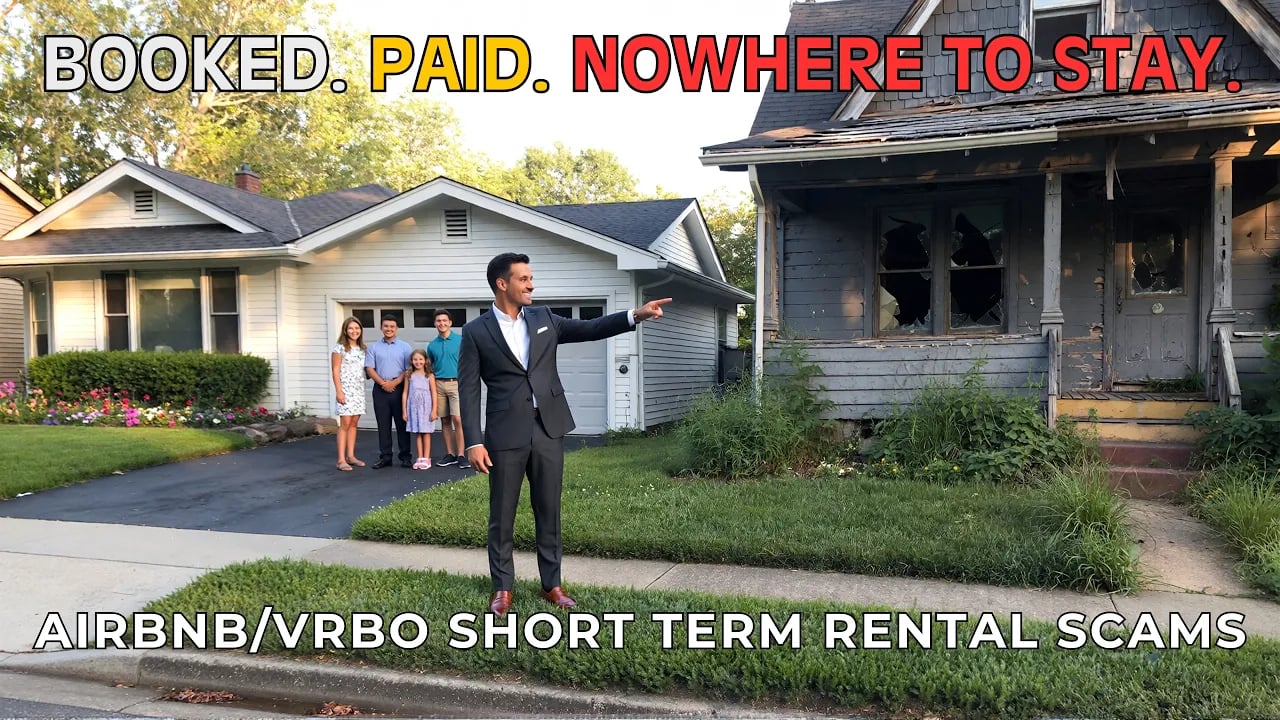
- Rental and listing scams using stolen property data
- Attempts to bypass verification during showings and closings
The common thread is urgency and manipulation. Scammers rely on speed, confusion, and lack of verification to slip through cracks in the transaction process.
Identity Verification and Due Diligence Are Now Non-Negotiable
One of the most critical safeguards in today’s environment is strict identity verification. Agents are increasingly expected to confirm:
- Buyer and seller identities through multiple sources
- Matching names across county records and transaction documents
- Email authenticity before sharing sensitive information
- Verification of intent before scheduling showings
Simple checks that were once overlooked are now essential layers of protection.
Email Phishing and Agent Targeting Are Increasing
Real estate professionals are now direct targets of phishing schemes disguised as:
- State real estate commission notices
- Brokerage compliance alerts
- Urgent transaction updates requiring immediate action
These messages often encourage agents to click links or download files, which can compromise devices and expose client data.
The key risk is trust. The messages are designed to feel official and time-sensitive.
Broker Responsibility and the Compliance Shift in Texas
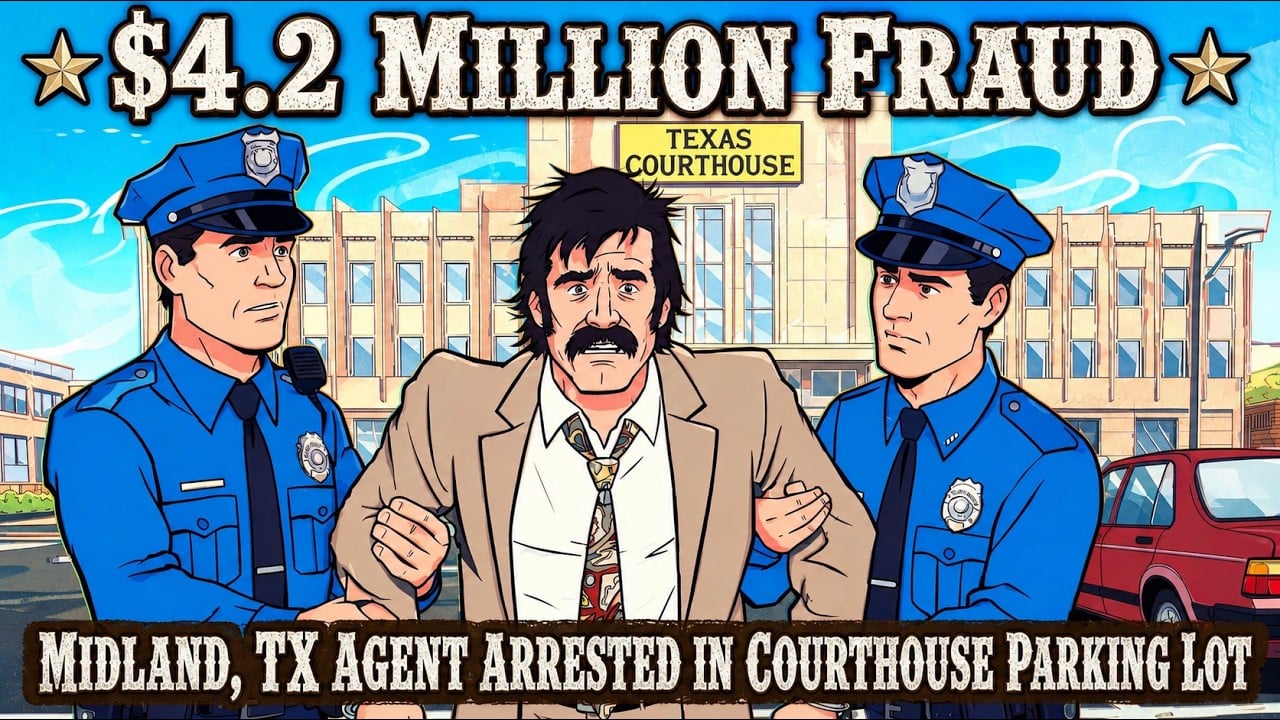
Brokerage supervision is becoming stricter, particularly in states like Texas, where regulatory expectations continue to evolve.
Key themes include:
- Mandatory broker oversight on transactions
- No reliance on informal or automated-only review systems
- Increased emphasis on documentation verification
- Third-party validation for critical agreements in some cases
The direction is clear: accountability sits at the brokerage level, not just the individual agent.
AI in Real Estate and the New Risk Landscape
As brokerages adopt AI tools for efficiency, new concerns are emerging. Conversations in the industry are increasingly focused on:
- Who is responsible for AI-reviewed transaction errors
- Whether automated systems can replace brokerage supervision
- How AI impacts liability in closings and disclosures
While AI can streamline operations, it does not replace legal responsibility or compliance oversight.
Practical Safeguards Every Brokerage Should Implement
Brokerages are strengthening their defense systems through practical steps such as:
- Setting up Google Alerts for listed properties
- Monitoring property listings for unauthorized use
- Verifying buyer and seller identity before engagement
- Cross-checking public records against transaction names
- Educating clients on rental and listing scam awareness
These practices reduce exposure and improve transaction integrity.
Frequently Asked Questions
What is the most common type of real estate fraud today?
Identity-based scams and phishing emails targeting transaction data are among the most common.
How can agents verify a potential buyer?
Agents should confirm identity through multiple sources, including public records and direct verification methods.
Are brokerages responsible for fraud prevention?
Yes. Brokerages are increasingly required to supervise transactions and ensure compliance protocols are followed.
How can clients protect their property from scams?
Clients can set up property alerts and monitor unauthorized listings or activity tied to their address.
Final Call to Action
Real estate professionals who prioritize verification, compliance, and proactive fraud prevention are better positioned to protect clients and maintain trust in an evolving market. Strengthening your systems today helps prevent costly issues tomorrow.